
Sonja and Amartya visiting Viquar Quarashi
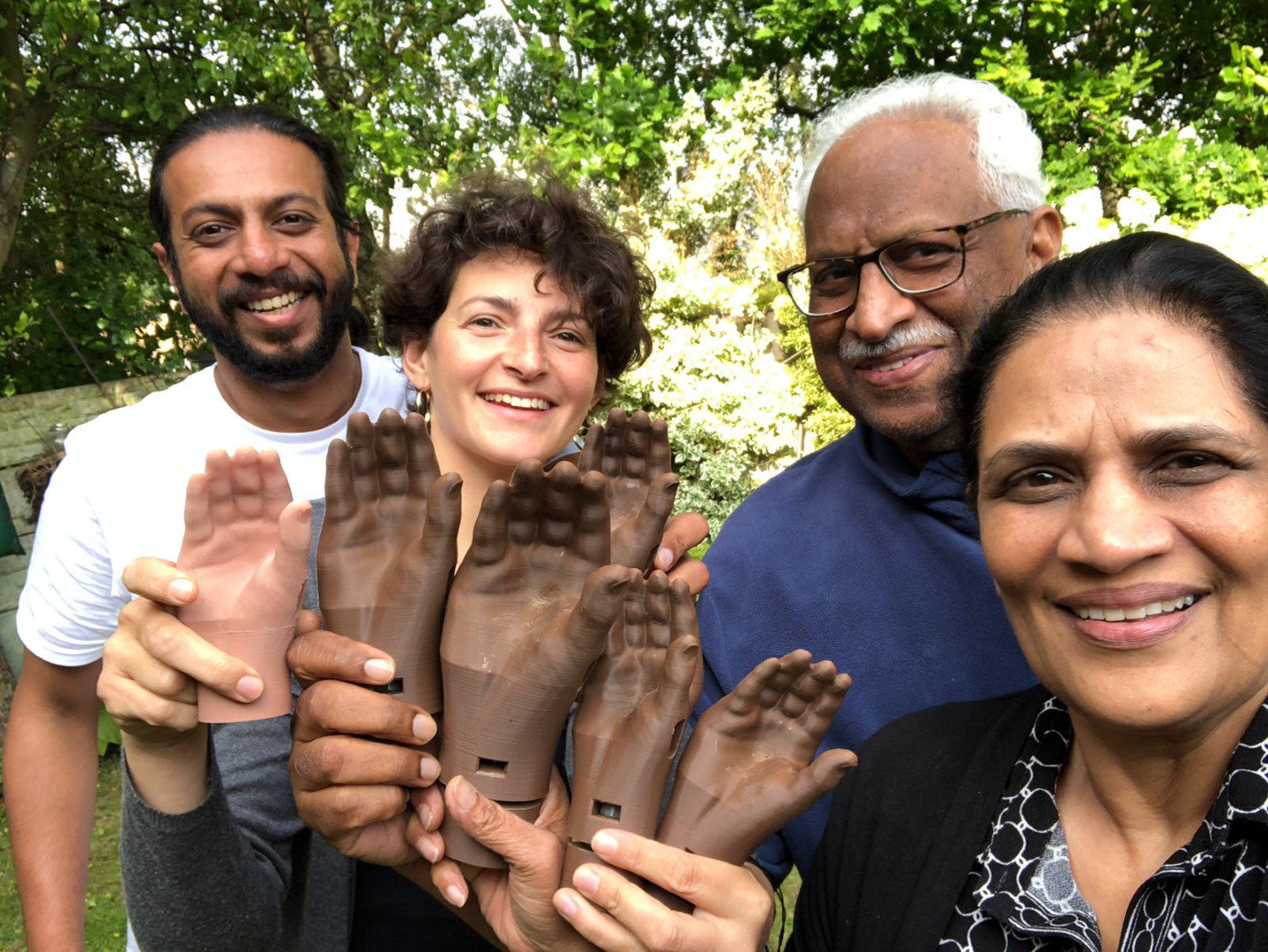
Sonja and Amartya went on an EnHands field trip recently to visit Viquar and Ambreena Qurashi who are living in the UK, not far from London. If you have been following our blog, you've probably already heard of Viquar: he's a British orthopaedic surgeon and founder of Naya Quadam, a non-profit charity organization that provides lower limb amputees in developing countries with free leg prostheses. The origins of EnHands lie in the goal of developing an upper-limb (i.e. arm and hand) prosthesis for Naya Quadam.
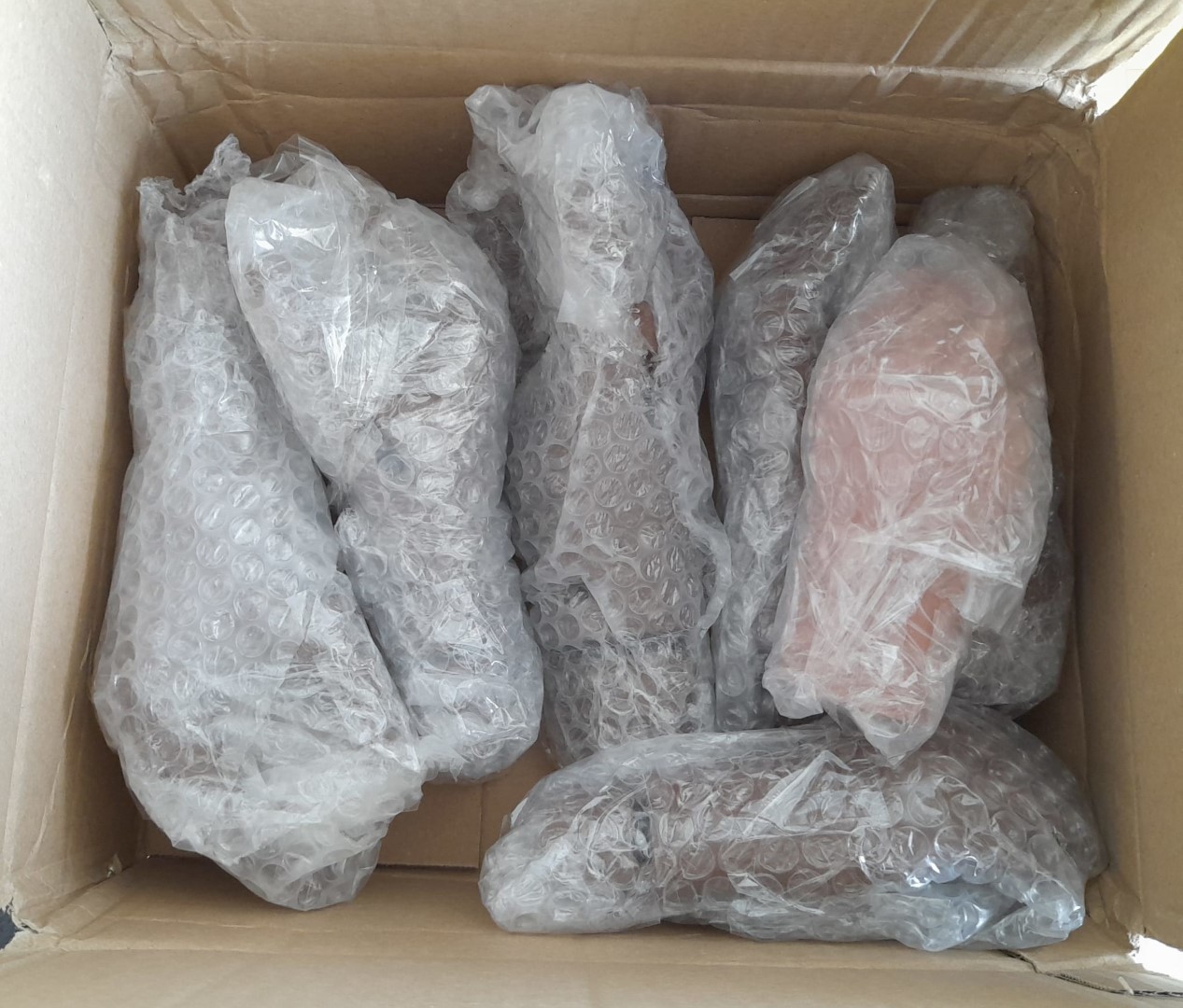
A few weeks prior to the visit, we sent Viquar a package with several prototypes we 3D-printed or manufactured from silicone:
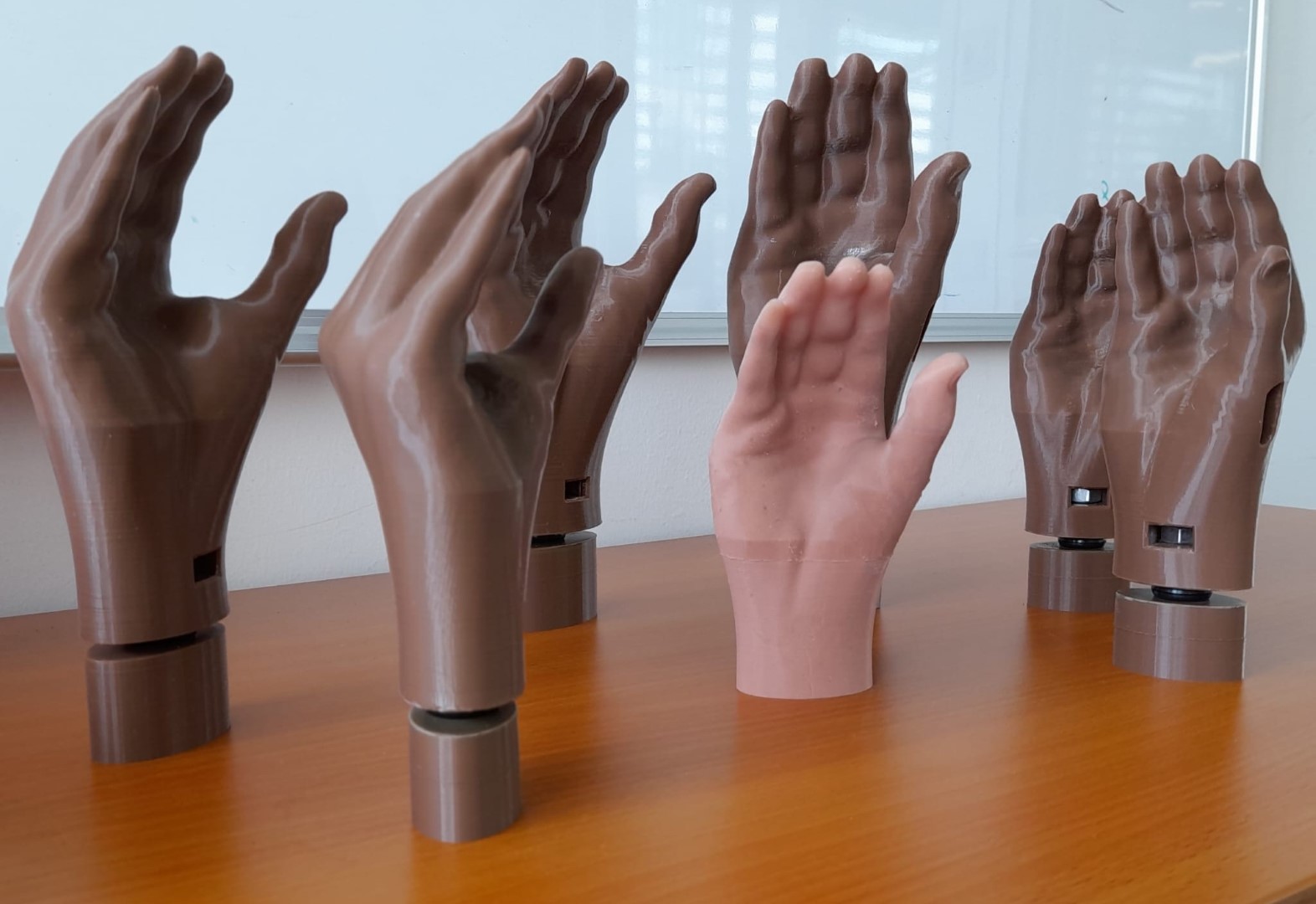
During the visit, they discussed about what already works with our prototypes and what doesn't, as well as future plans. It turned out that the silicone-based design looks more realistic, but might be unsuitable since it is not durable and can easily be damaged e.g. by cutting into the silicone. It might especially not be suited for people who need to perform manual work.
Viquar talked about that in his experience, the people at the highest risk of experiencing hand amputations are farm workers in remote areas that often have to work with non-automated dangerous machinery, such as manual hay cutting machines. He also emphasized that young women with hand amputations have a hard time trying to get married because of the visible stump and the stigma associated with it, and that a realistic-looking prosthesis could help them greatly.
Regarding next steps and improvements to our prototypes, they liked the idea of rotatable wrist and remarked that a more cylindrical gripping pose would be useful. We should next focus on cosmetic hands (and less on functional hands with moving mechanical parts), as in Viquar's experience, the social inclusion that comes with a realistic-looking hand is the most important factor. The next most important thing is robustness, as a prosthesis must survive for several years, and only then comes functionality.