Nepal Field Trip 2023
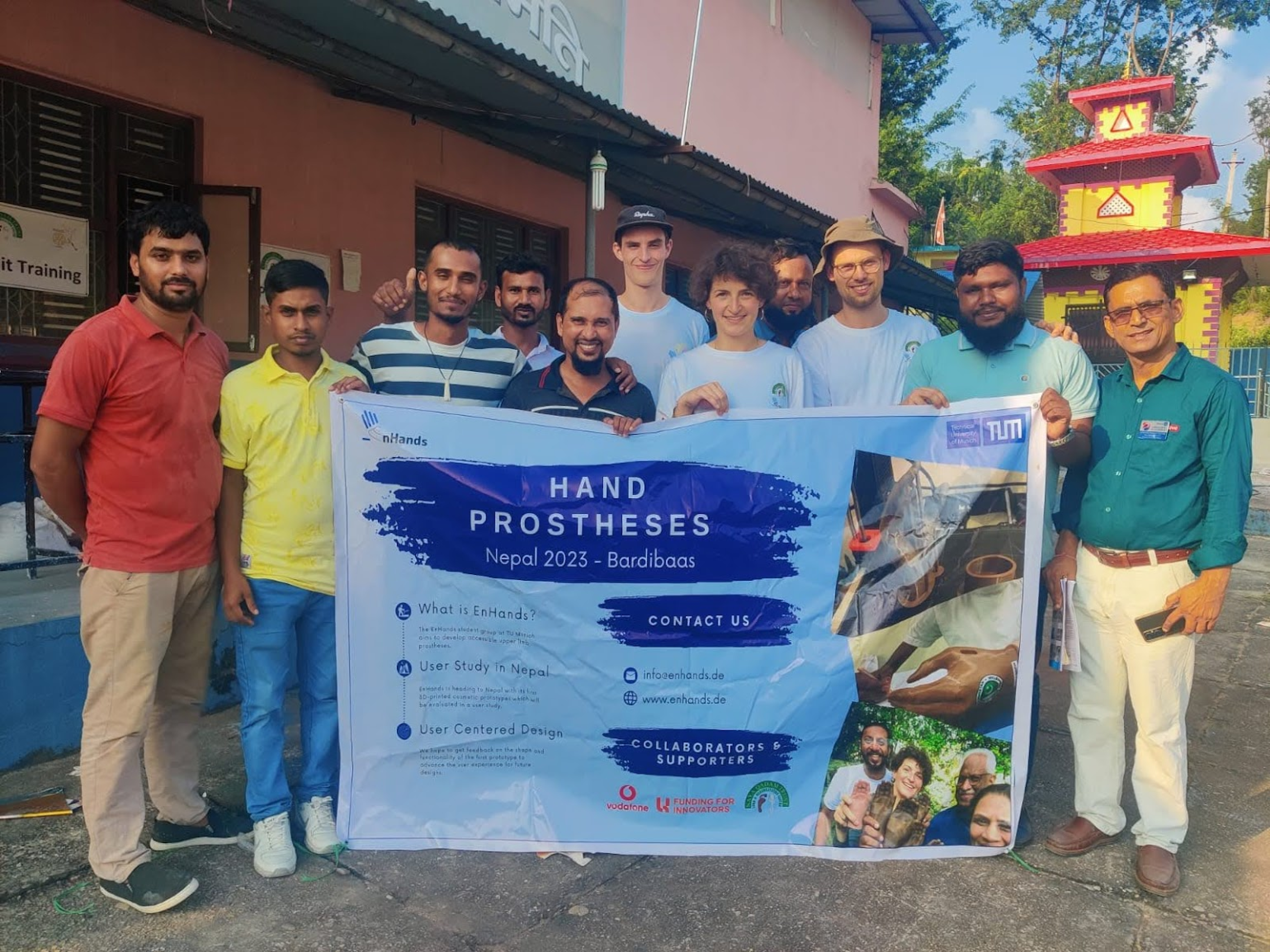
Nepal Field Trip Report
In the summer of 2023, we achieved a significant milestone – we completed our first cosmetic hand prototype, a project we had been working on for the past year. The primary focus was on anthropomorphic design, natural skin appearance, and overall comfort. Based on our prior knowledge, this combination, if executed well, should result in positive patient acceptance.
After developing the prototype, we intended to obtain feedback and validate the design. Therefore, a field trip to a low-income country, where we could gain real patient insights, was the next logical step. We chose Nepal over other countries because our collaborating partner, Naya Qadam, held a prosthesis camp there.
In addition to receiving patient feedback, our objectives included establishing a network of potential future collaborators. We aimed to connect with existing NGOs focused on prosthetics to gather insights into supply chain management, on-site manufacturing, and fund structures. We also aimed to build relationships with locals, such as hospital managers, amputees, and technicians who have been working on this issue for the past few years. Furthermore, we sought to gain knowledge about the environment, facilities, culture, social backgrounds, behaviors, and lifestyles of the amputees.
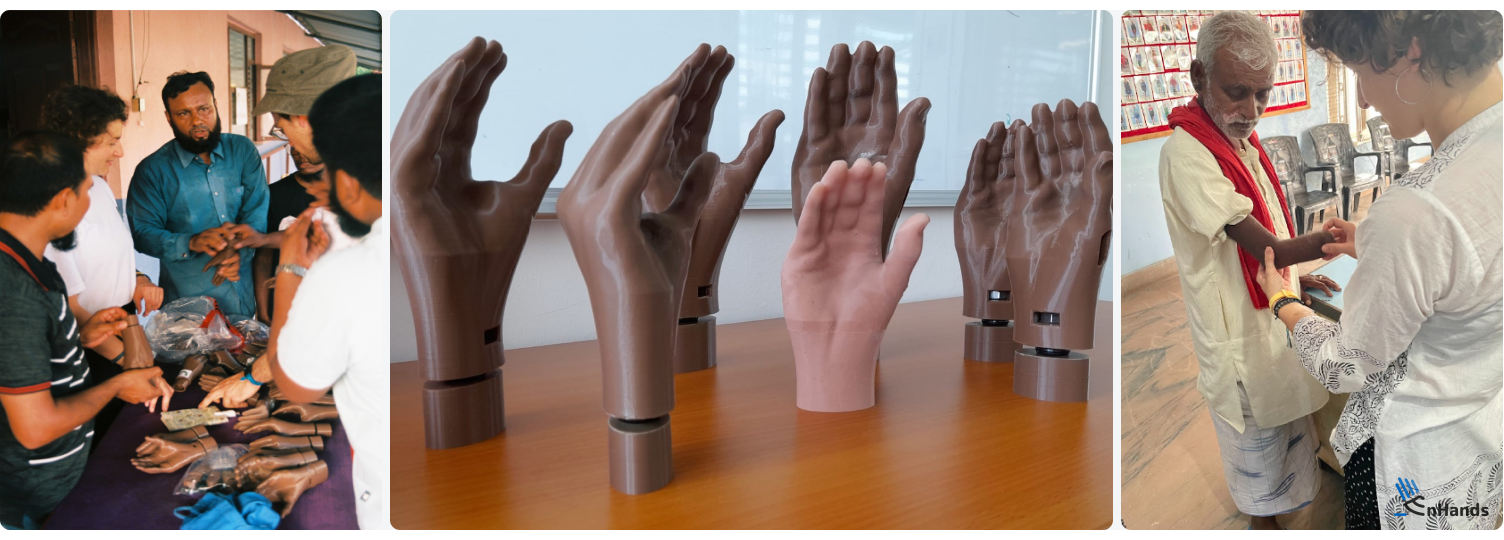 We took 30 cosmetic 3D printed prostheses in different sizes (S, M, L) and closure configurations to Nepal with us to gather feedback.
The Trip and Patient Feedback
Immediately upon our arrival, we were greeted by very friendly locals and exposed to eye-opening situations that these patients face on a daily basis. Most amputees experience social exclusion and financial crises due to a lack of working opportunities, as the majority of jobs are in agriculture or industry. Additionally, amputees often deal with emotional crises due to the inability to provide for their relatives. As expected, the lack of infrastructure and mobility, especially for the physically impaired, does not make the situation easier for amputees. The emotional impact of these circumstances left a lasting impression, but it also reassured us of the significant positive effect that a simple prosthesis can have on the life of an amputee.
Thanks to an established cooperation with local NGOs and Naya Qadam, we were able to meet patients and present our prototypes to them. We received valuable feedback on the outer appearance of the hand design, which we did not expect:
The foremost requirement of patients is a human-like appearance → we need to focus on cosmetic hands with anthropomorphic design.
The relaxed state hand position should be as natural as possible.
The local NGO was giving out a motor-driven prototype for adults. Adult male patients preferred the motorized version over the fully cosmetic one, especially as one patient wanted to ride a motorcycle → we are incorporating these patient requests into our new prosthesis concepts.
In Nepal, there is a very low number of pediatric patients with upper limb amputations, leading to very few options for a children's hand prosthesis. Luckily, we brought children sizes of our prototype and were able to help this young patient. We received thankful and positive feedback. However, it is difficult to evaluate if the patient actually liked the product, as he was very shy. Full stories and profiles of the patients we met will be documented in our future blogs.
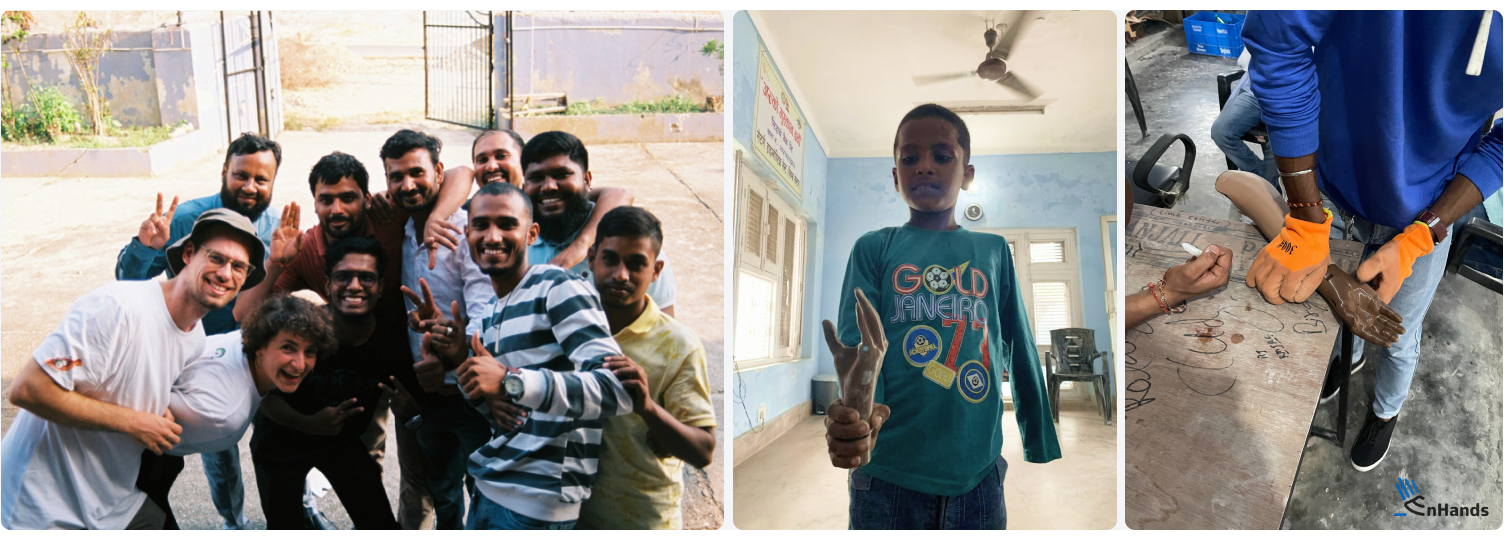 We we able to make lasting connection with local technicians and are still in contact.
Key Takeaways and Learnings
The Nepal Field Trip was beneficial in many ways. It is crucial to undertake these trips for several reasons. We need to further work on establishing trust with local NGOs – locals are very helpful in assisting us with effective organization and communication strategies for smoother trip coordination and prosthesis distribution.
Furthermore, we need to better understand the actual requirements of amputees in low-income countries, as they significantly differ from patients in the Western world. The local context is crucial when providing prostheses – we need to take into consideration local traditions and customs, social constructs, environment, and related logistical obstacles.
Regarding the future, we recognized the gaps in our knowledge and identified areas for improvement. Our current design concepts take into consideration the feedback we gained in Nepal, indicating that the hand needs to be cosmetic but should also come with some functionality for the adult population. Currently, we are building prostheses that meet the specific needs and can endure harsh conditions in low-income countries.
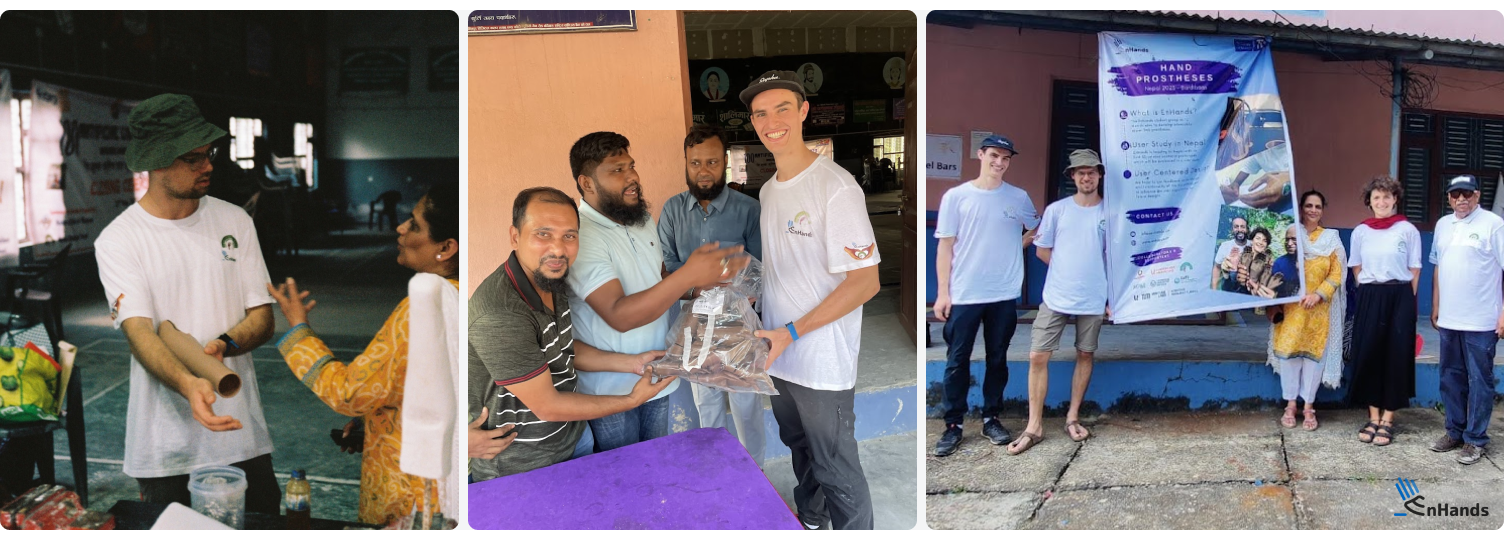 We were greeted with amazing hospitality by the Nepalese people, and the openness of local NGOs to collaborate with us.